
The Gothic Garden: goths and gardens, the connection, inspiration, and simply black plants
Gardens and goth fit together in many ways: Victorian gardens, an affinity for roses, witchcraft and herbcraft, cottage core, and simply black plants. We chatted with a few unique plant-lovers to explore the connection and get some tips and inspiration.
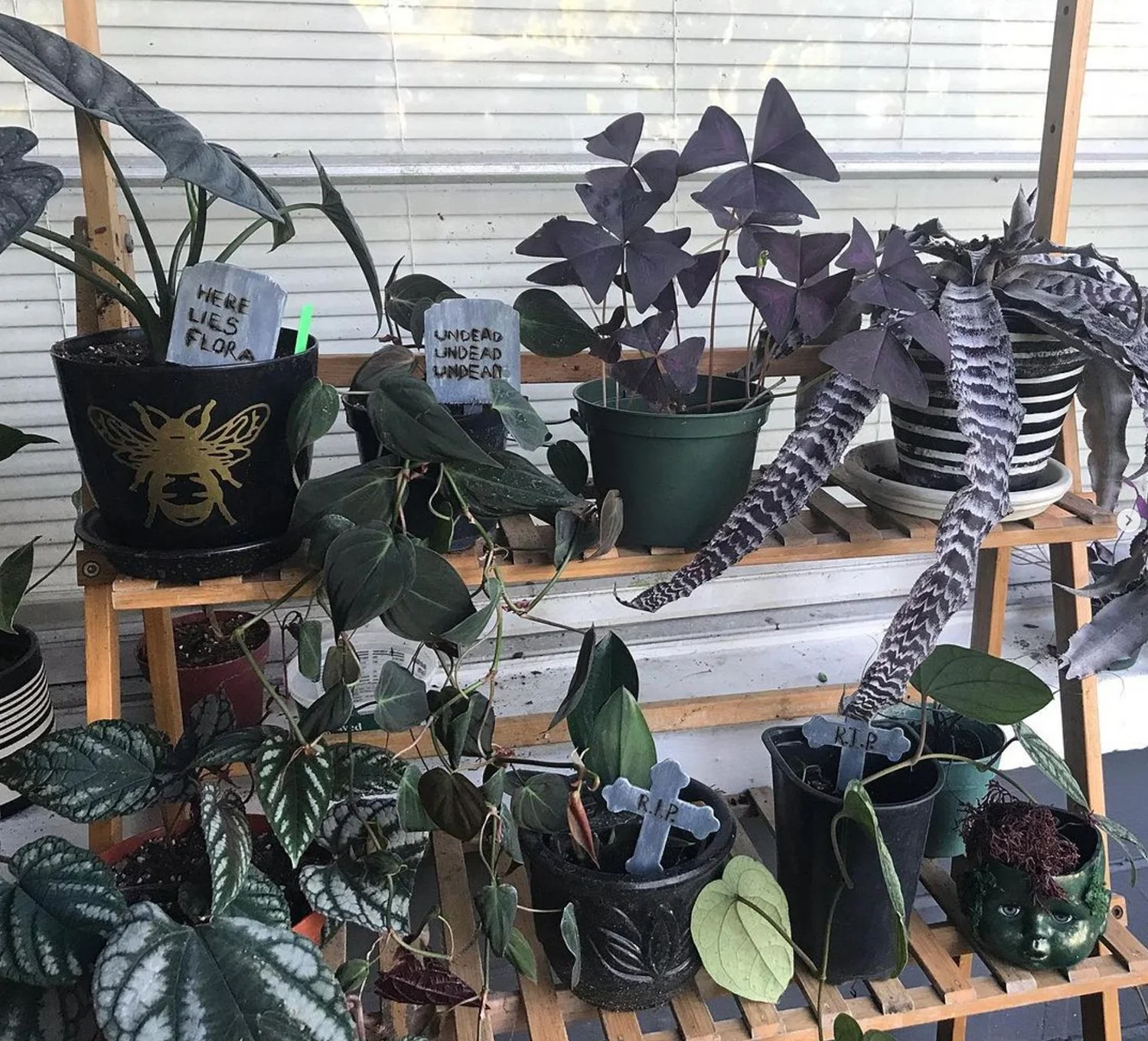
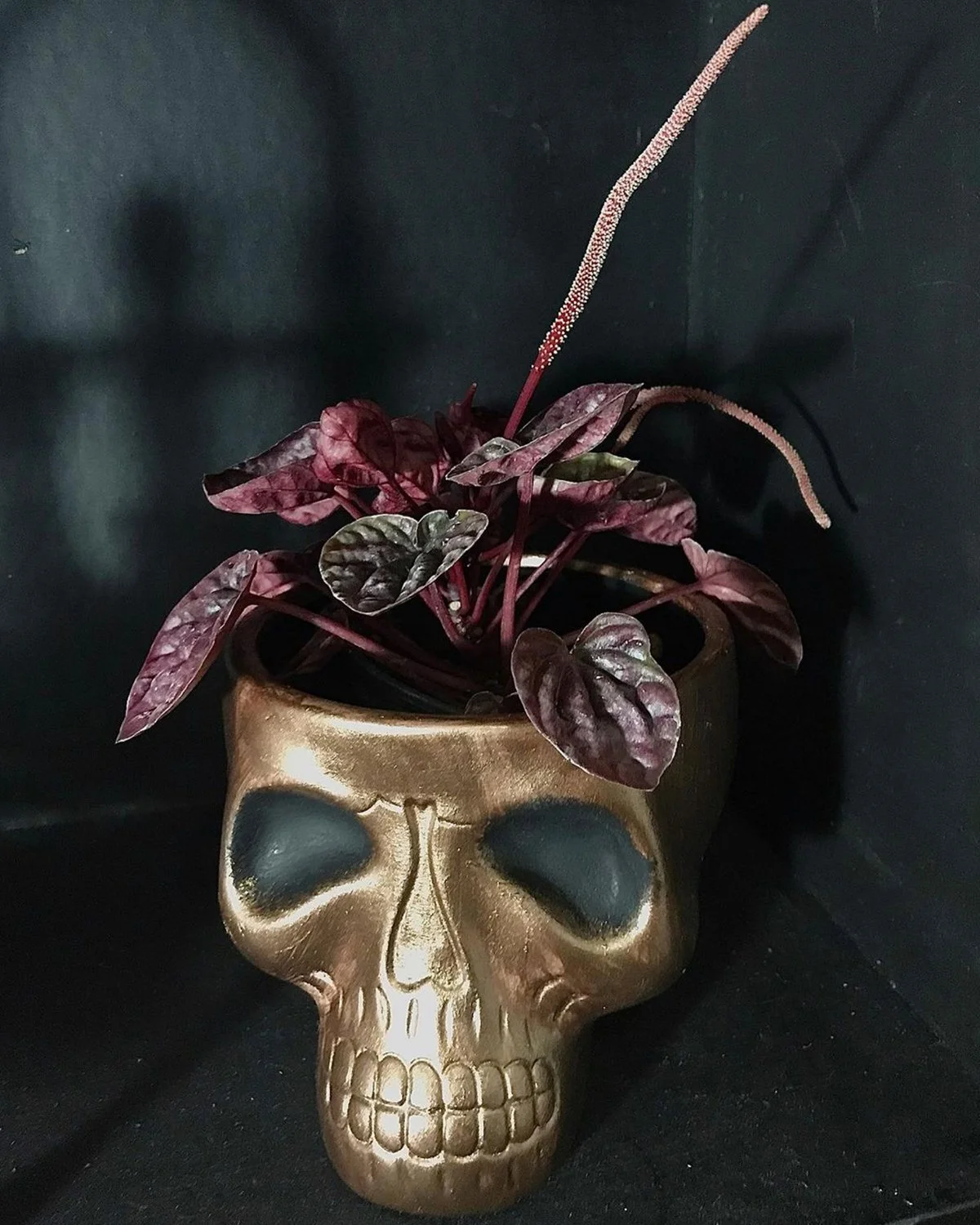
Black plants with spooky decor via The Citrine Ghost
Unique plant-lovers
Shannon Crosby of The Citrine Ghost
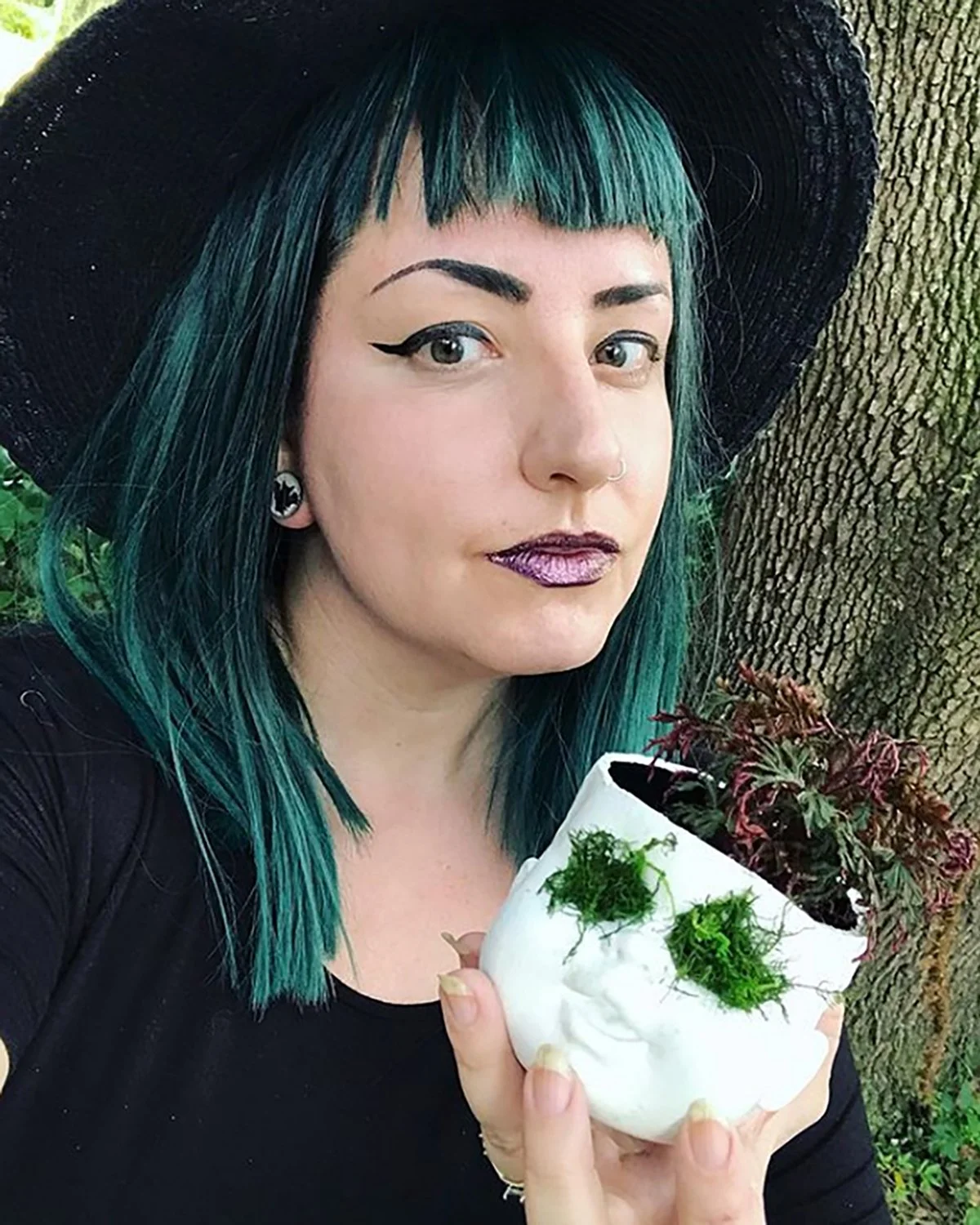
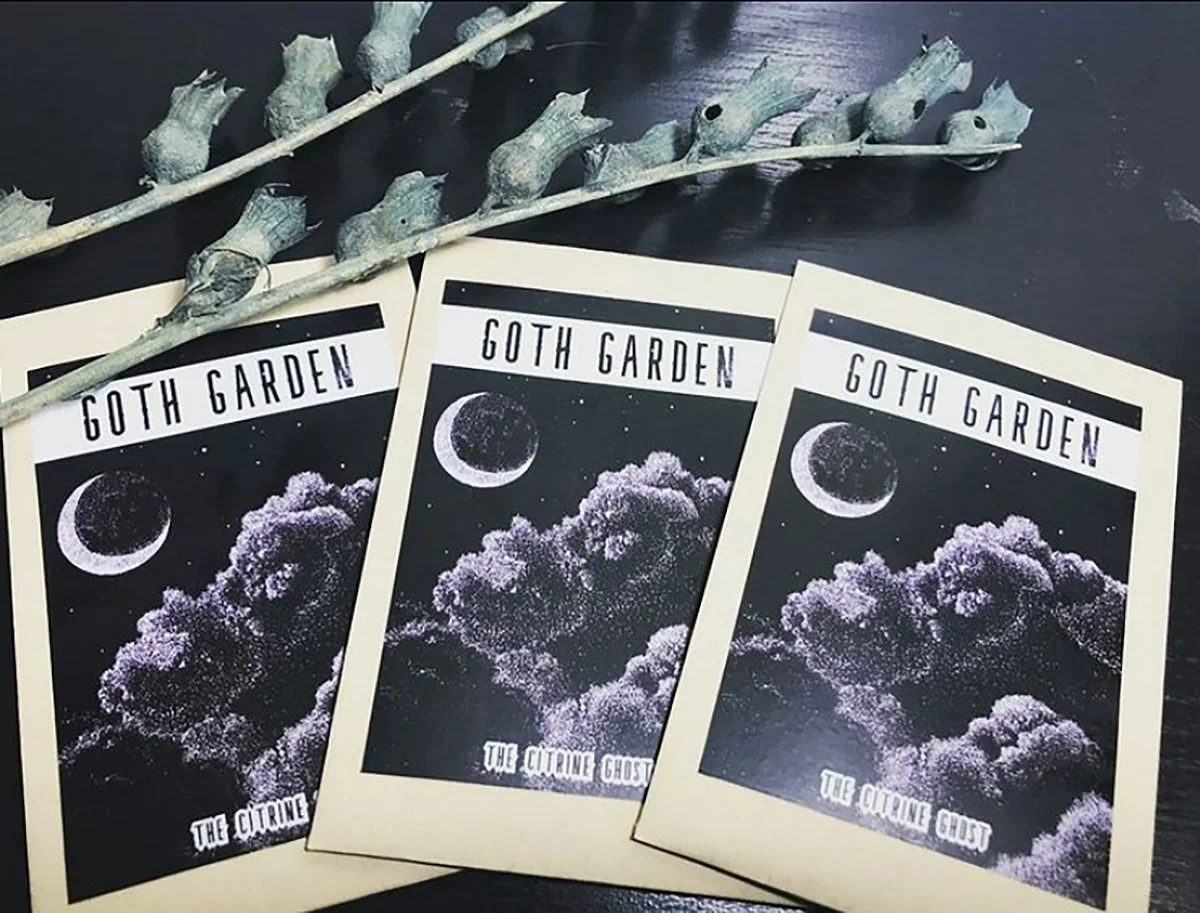
The Citrine Ghost is an online shop for unusual plants and spooky home decor based in Florida. They also vend at markets and share a lot of plant content on social media. We talked to owner Shannon Crosby who tells us, “I think I have always been in love with plants.” She shares her backstory saying, “I was born in New England, and moved to Florida at around nine years old with my family. My mom taught me how to squeeze snapdragon flowers to make them ‘talk’ and how to pluck off a lilac flower from the bush and drink the nectar inside. I loved smelling the tigerlilies in my babysitter’s yard, and sitting on her porch eating chives from her herb garden. We used to take a boat to the Boston Harbor Islands and camp there as a family, and we would wander around looking for wild blackberries and grapes to eat. As a young adult, I would try to keep various plants alive on the balcony of whatever apartment I was living in, but it never really worked out. It wasn’t until I met my husband Eric five years ago and moved into the house he owned that I started seriously getting into plants. It hasn’t slowed down since. My husband and I are also huge music junkies. We collect records and have been to tons of record stores in many states. We also love finding weird places to travel to in Florida. I run the Instagram page @Weird_Florida. We love driving around Florida taking pictures of weird stuff, going to plant shops, record shops, and thrift stores. I like to find strange secondhand items that I am drawn to for my shop. Sometimes I will repaint the items or re-work them into something new. As a Gemini, I feel like it’s in my nature to be drawn to an inordinate and chaotic number of hobbies.” The journey of creating the shop The Citrine Ghost began when she, “Started selling items at punk rock flea markets and local markets in St. Petersburg, Florida where I used to live under the name I was using for a music podcast and YouTube channel I used to run called Stripped Music Diary (an homage to the Depeche Mode song “Stripped”). I sold zines I would make, 1” buttons I designed, things I thrifted and re-painted, and an enamel pin I designed alongside another local artist, Josh Comics. When I moved to Central Florida after I met my husband, and started my garden, I started to incorporate garden-related items whenever I would do markets. Specifically, I got into making planters out of repurposed doll heads. People really loved the doll head planters, so I started making more with each market I would do. I decided that the music diary name was no longer as befitting to my personal brand as it once was, and rebranded as The Citrine Ghost. I started an Etsy and sold items online as well as at the in-person vendor markets, but just recently I have moved away from Etsy and have now built my own website, thecitrineghost.com where we sell curated home decor (vintage, handmade, upcycled thrifted items, and plant-related items), as well as offer local gardening and houseplant consultation. We have a lot more planned for the online shop as well, such as our own seed packs.
Johanna C. Dominguez of Put A Plant On It
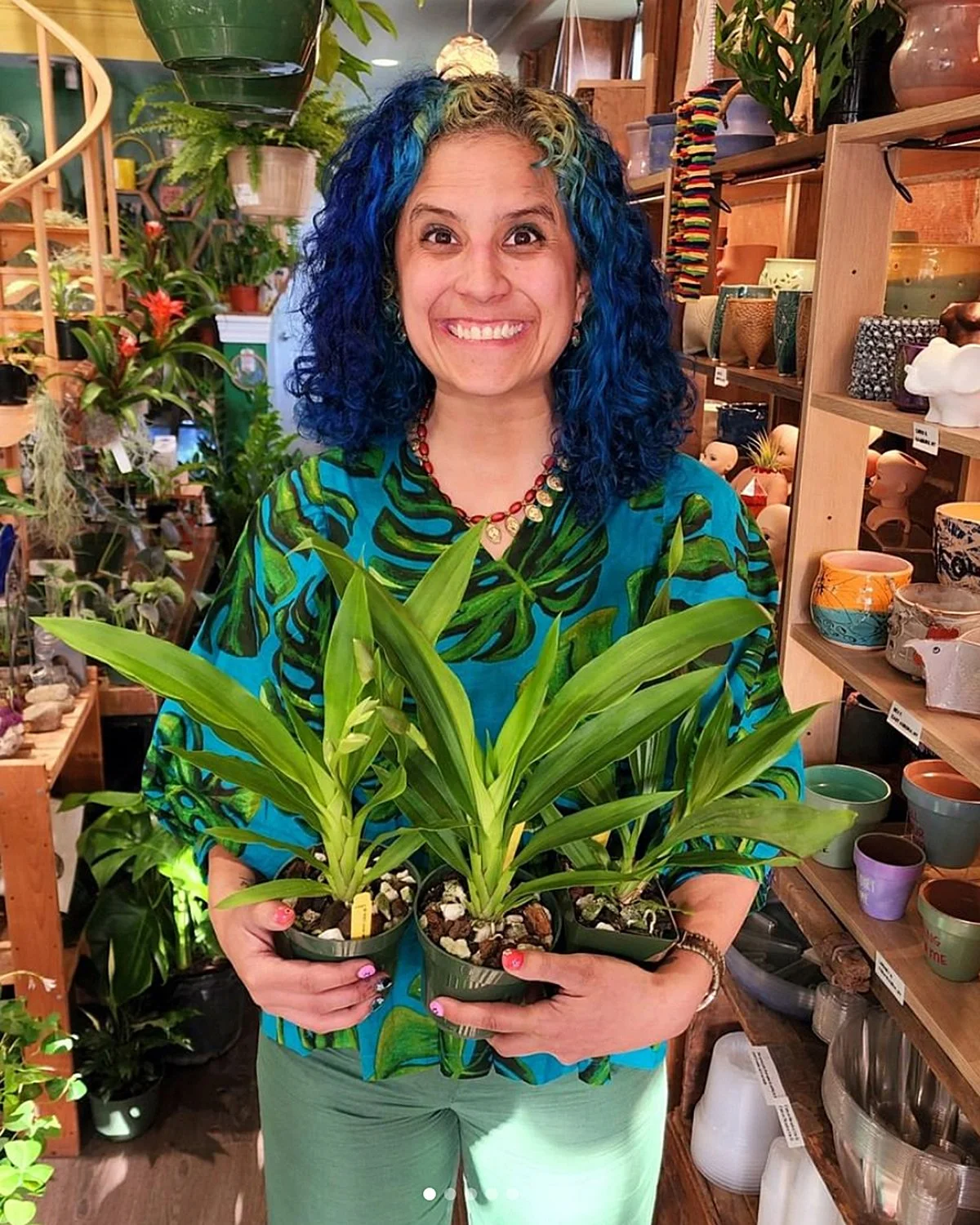
Put A Plant On It is a plant shop in Buffalo, New York that sells houseplants both rare and common and also provides houseplant consulting, houseplant sitting, and a self-serve potting station. Owner and head plant queen, Johanna C. Dominguez, chatted with us and tells us her story saying, “I grew up overseas and always had plants around me and always gardened. When I lived in El Salvador we had a tropical paradise in our yard and a super jungly patio full of potted plants. I also am descended from a long line of farmers on my Dominican side which definitely helped always keep my interest in plants.” She has many interests, she tells us, “I also enjoy photography, poetry, wild foraging, and riding horses.” But clearly plants were a calling as she said, “I had my own business as a social media content creator and was missing interactions with people so I got a part-time job at a local nursery. I enjoyed it so much I decided to open my own plant store.” All products in their store are made locally by Western New York artisans and being conscientious of where their product comes from and supporting their local economy is at the forefront of their mission. As their site says, “Even our soil is made just over the border in Pennsylvania.” Johanna went on, “I worked and still work with several nonprofits and have a hard time separating my activist life from my plant store life. We raise money every couple months for different charities. We give a dollar to these charities whenever someone comes in with their insulated reusable bag in the winter. We’ve done other initiatives like an ‘Outrage Discount’ for the recent Supreme Court ruling.”
Amanda Thomsen of Kiss My Aster
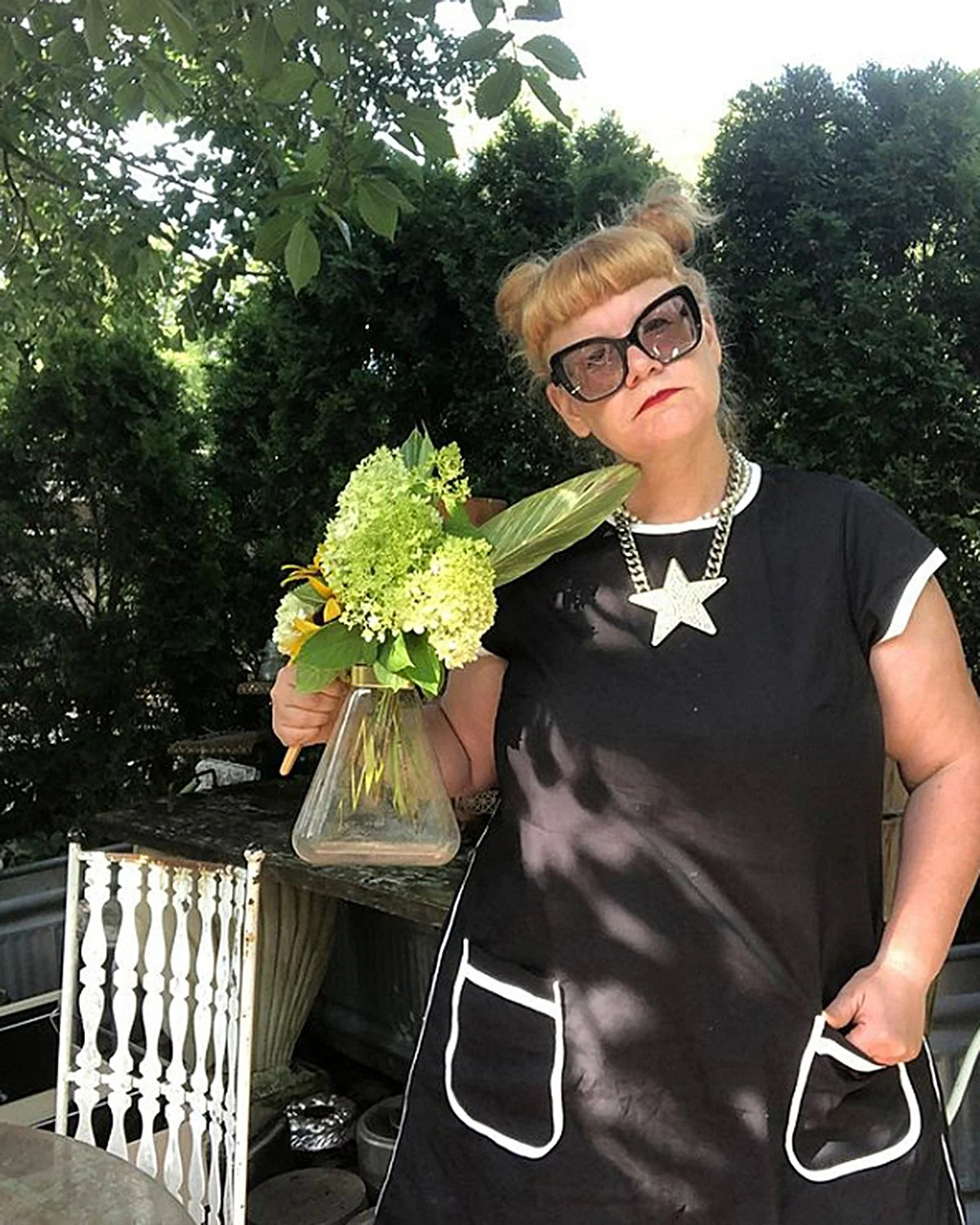
Kiss My Aster is the online handle of Amanda Thomsen and the name of her home landscaping book. We talked to Amanda and she tells us her story saying, “I grew up just outside of Chicago on a big piece of suburbia. My parents had a huge vegetable garden with a greenhouse (that I begged to make into a bedroom in my teen goth days, but was denied) so I have always been about the plants. When I had my first apartment I would dumpster dive all these half dead plants (from the florist next door to where I worked) and my balcony won first place for some contest the complex was having. Of course, when I showed up to claim my prize they denied me and said it was a misprint, because I was 19 and dressed like a bat. I’m overall very creative, but my yard keeps me busy all summer. I’ve been working on a tiki basement for years now.” “Kiss My Aster is a choose-your-own-adventure style graphic guide to home landscaping. It’s a funny, ridiculous but still entirely practical book for anyone, but especially first timers, to figure out what they want and how to get it. It was so fun to write and work on. It’s a really great book, if I do say so myself!” Amanda runs a plant shop and explains, “Aster Gardens started out as a goth/witchy plant shop and has sort of evolved to a more ‘if you know, you know’ style plant shop. I’ll be stocking plants and orchids (in dark hues) as well as the regular plant supplies and also antique and vintage finds. It’s next to a mid century modern cocktail lounge, in Lemont, Illinois, so I had to work some MCM in there, too. There will be rocks and crystals as well as tons of dried florals. Right now it’s just an indoor plant shop but I’ll be expanding soon into an outdoor plant sales area and I will not even be stocking pastel colored flowers! I’m growing bizarre pumpkins and gourds for autumn, too. We will have some event space and classes. It’ll be different than the locals are used to, for sure!”
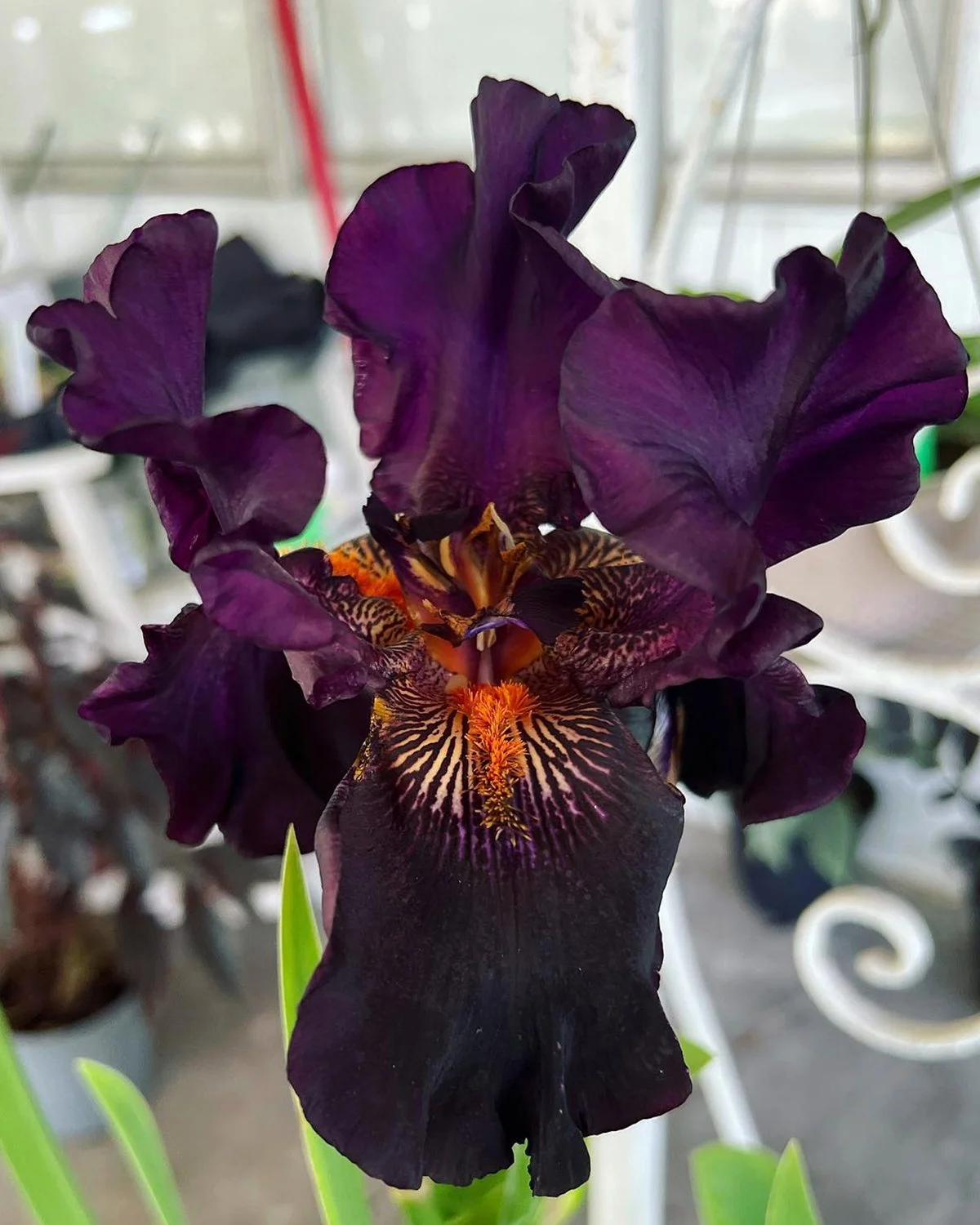
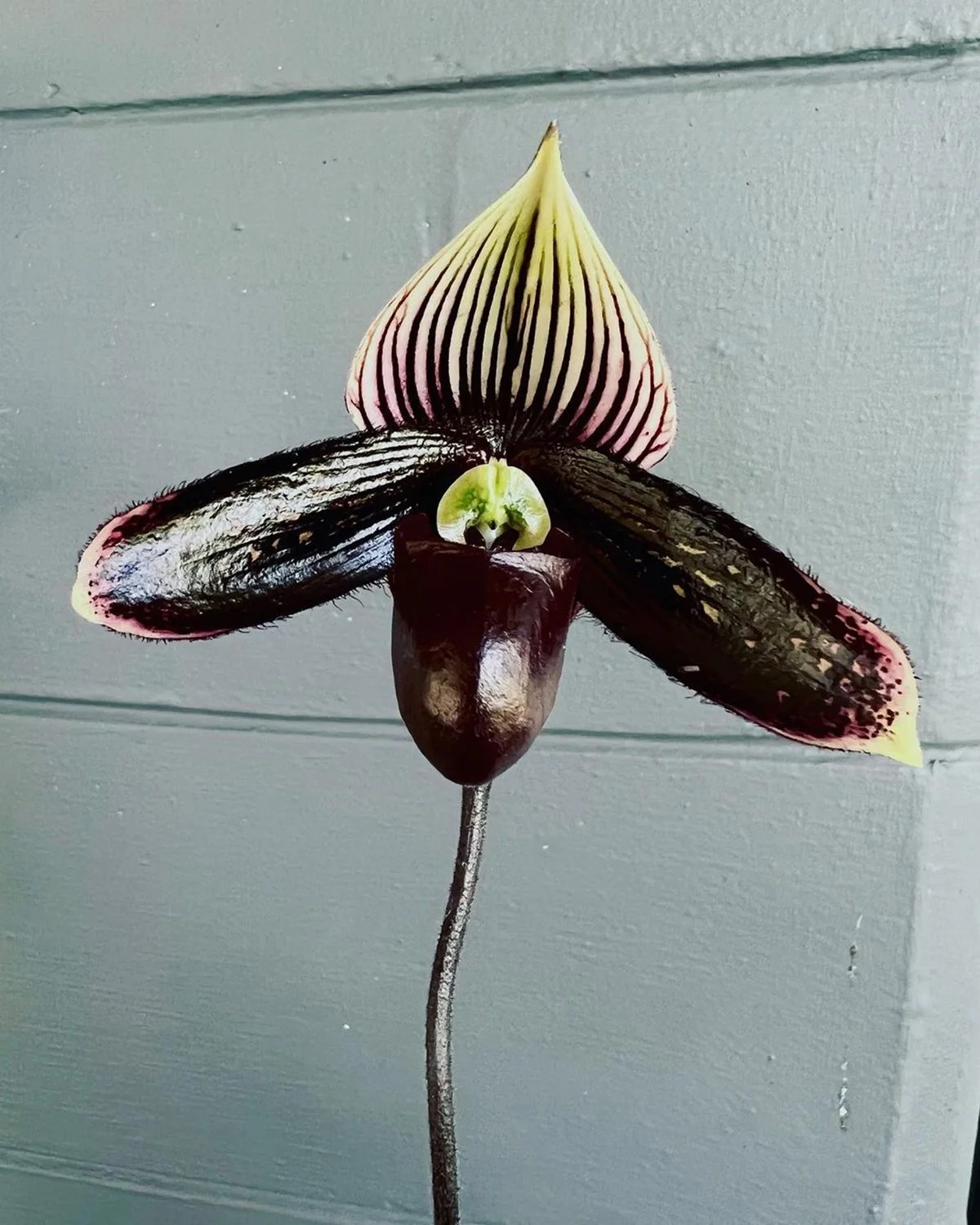
“Cobblestone stone paths winding through dark flower beds filled with every dark flower imaginable, trellises of dark climbing roses, a moon garden with giant white moonflowers, rows and rows of towering black sunflowers.”
Discussing the gothic garden
What to you makes a garden goth, gothic, alternative, dark, etc.?
Shannon of The Citrine Ghost paints a picture saying, “A goth garden typically conjures up images of dark foliage, poisons, and menacing thorns, but to me, that’s only part of it. Magic, mystery, intent, and curation are some of the things I think make up a goth garden. The gardener’s intent in what they bring into their garden physically, as well as spiritually, as well as the magic of mother nature, creates this beautiful thing that wasn’t here in the world before. As the gardener, you can purchase what is advertised as the darkest gladiola bulbs, or the blackest sunflower seeds, only to wind up with a pastel pink flower. There is something beautiful and dark in the unpredictability of what happens when you bring darkness to your garden, but nature brings light.” Amanda of Aster Gardens adds to this saying, “I think it’s 50% plant choices and 50% the stuff you mix in with them. It’s set design for your yard, which makes it so much more deliciously fun. I prefer dark-foliaged plants to dark flowered plants because the drama is just more consistent. Mix that in with lots of stone, junkyard Victorian artifacts, and maybe some old bits of lace and it’s just so easy and satisfying to create a patch of goth garden.” Johanna of Put A Plant On It tells us of her garden saying, “What makes my garden goth and alternative is my love of fantasy. My garden is named ‘Valinor’ after Lord of the Rings. I like to incorporate fantastical elements to my garden. The fountain is an old greenman sculpture. I recently commissioned a monolith built of the Rohan horse from Lord of the Rings. Several of my plants are also thematic and have fantastical names like Corylus avellana ‘Red Dragon’, epimedium galadriel, and others.”
Are you inspired by any historical, famous, fictional gardens? What would you put on the list of quintessential historical, famous, and fictional gothic gardens?
Shannon tells us, “As a child, I loved The Secret Garden book and movie. While what grew in the secret garden was not especially memorable to me, its mysterious energy pulled me in. It was a place where the main protagonist could escape reality and let her imagination run wild. When she found the garden, it was dead, and she clears the brush away and it begins to grow. Soon thereafter, she begins to transform as a person as well. I always loved the magic in that and wanted to seek out that same feeling/experience for myself. As I got into gardening more and researched other places, I fell in love with the poison garden at Alnwick Castle in Northumberland England, the story behind it, and how it came to be. It’s pretty high on my bucket list of places I’d like to travel to. The enchanted garden from Alice’s Adventures In Wonderland also deserves a spot on my list of inspirations. There’s definitely something ethereal, unusual, and gothic about singing and talking flowers! Another inspiration is a friend I met on Instagram who goes by @TheBlackSunflowerGarden. She has been a mentor and friend to me for several years now and has the most incredible gothic garden. As far as a list of quintessential historical gothic gardens, I would love to have been a bee on the stamen of a flower in the garden of one of the infamous poisoners (Locusta, Guilia Tofana, La Voisin, etc.). Another place that while not technically a garden, is a huge inspiration to me is Bonaventure Cemetery in Savannah, Georgia. The perfect gothic garden should feel magical, somber, warm, dark, dangerous, and safe all at once, and there is nowhere I can think of that I have been that emits all of that more than Bonaventure.” Amanda tells us, “I’m inspired by memories of mushroom hunting with my grandma when I was really young and honestly repeated viewings of Anne of Green Gables! I want my gardens to look like you’re walking into a John William Waterhouse painting. The best gothic gardens, to me, are nature-made. When you’re in the woods and you pass into that portion that’s a little darker, the air is more still and there’s a feeling. I get inspired by everything seriously so it’s hard to make a list, but for me any slightly overgrown English-style garden is going to tick many of my goth-loving boxes. I love the English walled garden at the Chicago Botanic Garden, it has lots of hidden nooks, some startling plant choices, and a crystal folly that is worth seeing.”
What are your favorite gothic plants?
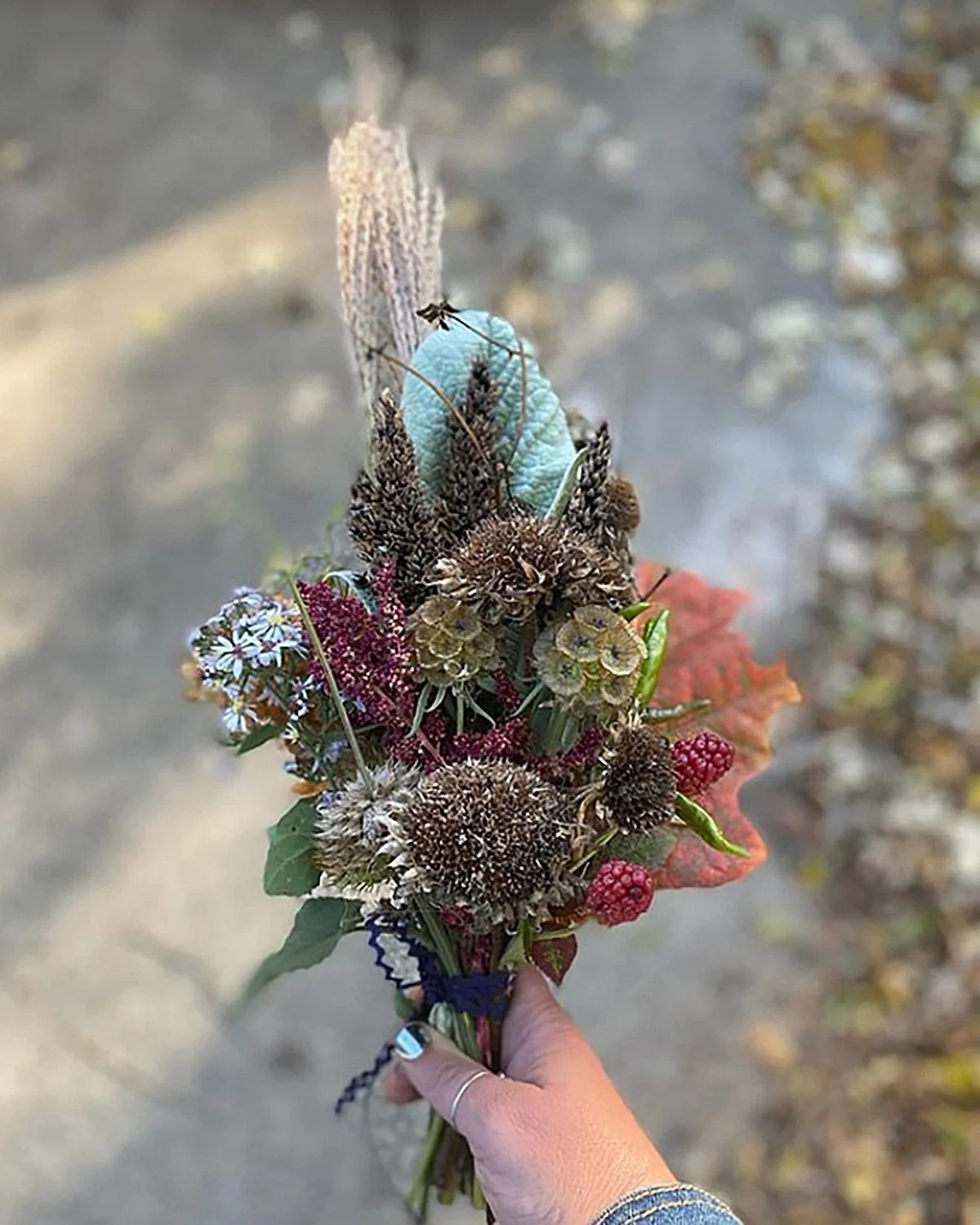
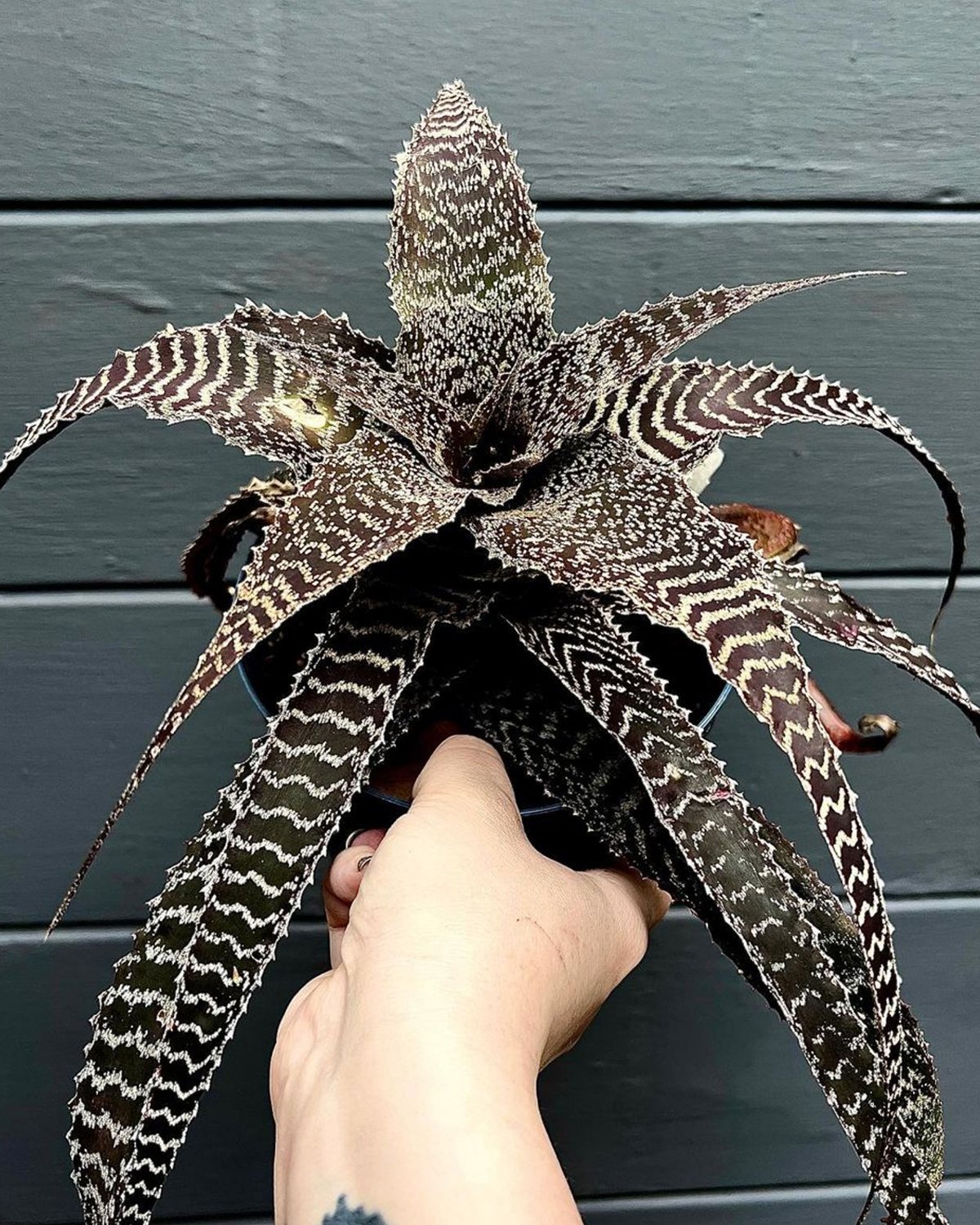
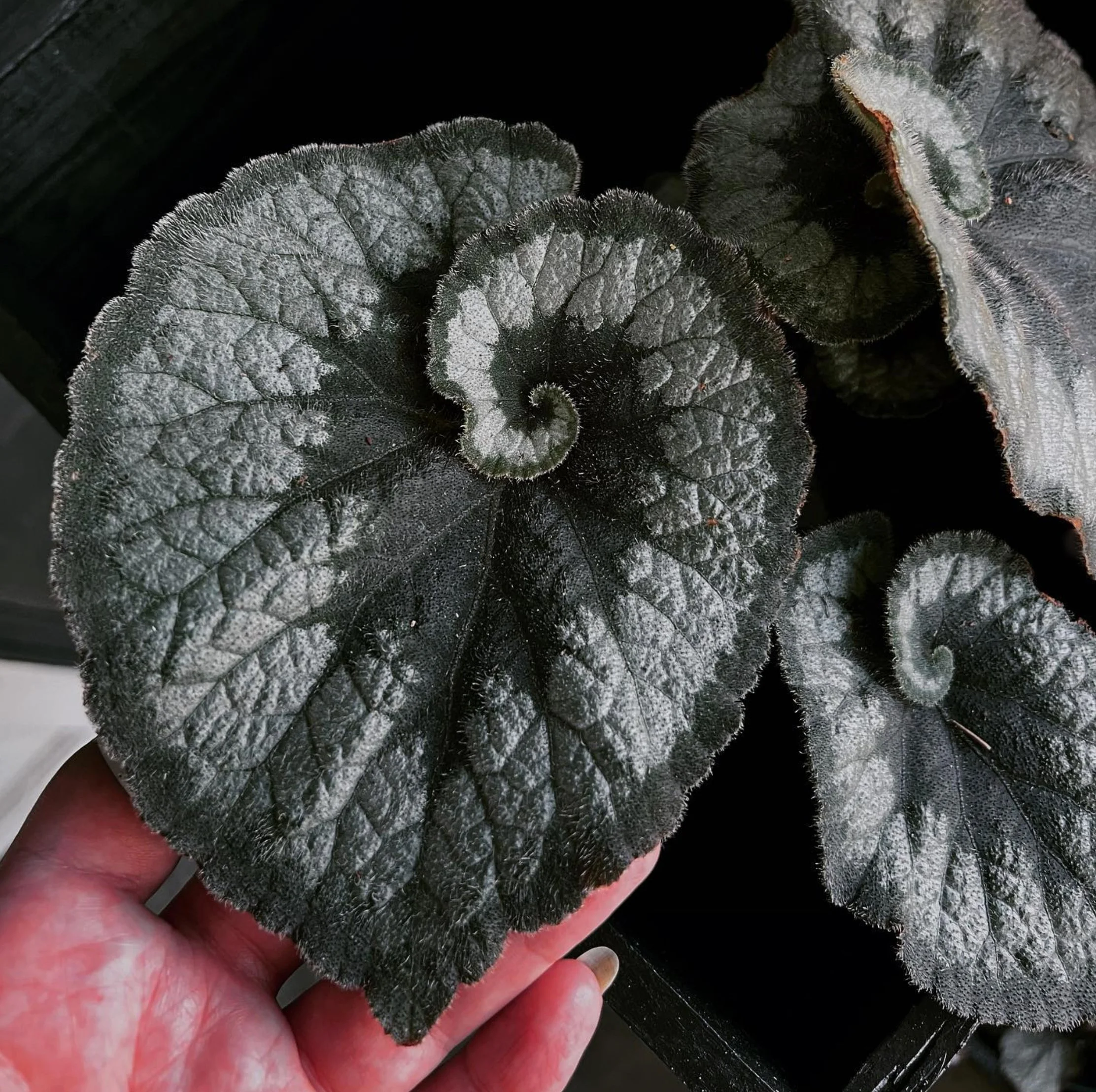
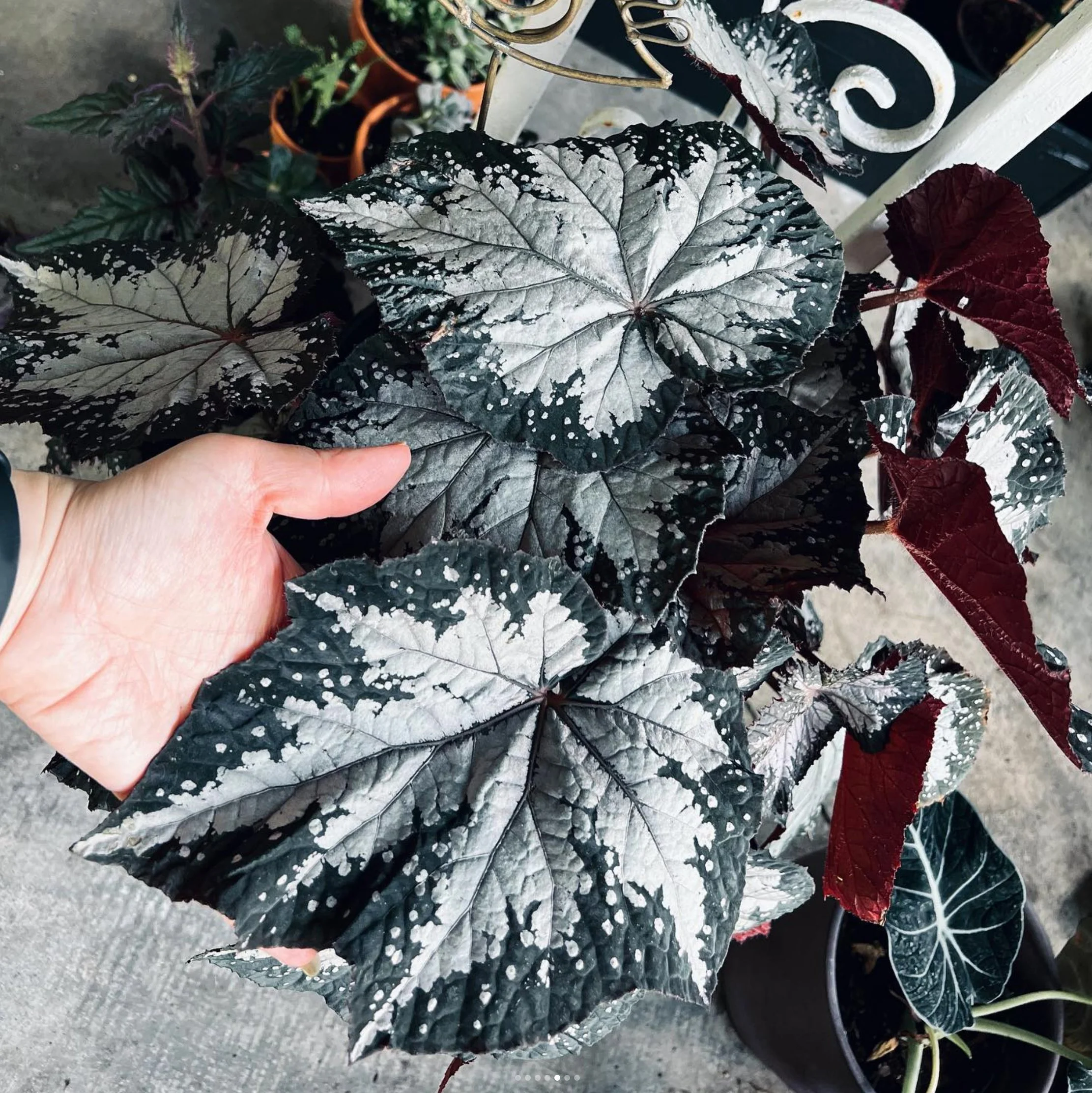
Johanna says, “I love plants that are dark and have texture. Some of these are Alocasia chantrieri, Anthurium luxurians, and Anthurium ace of spades.” Shannon adds, “Some of my favorite gothic plants are purple and white daturas, Begonia starry night, Cryptanthus zonatus (also known as ‘earth star’), Colocasia black diamond, Aechmea perez, Fritillaria persica, Ling Ling Ginger (Also called ‘Panda-faced ginger’), and black barlow columbine, and of course, Tacca chantrieri, the black bat flower!” Amanda tells us, “Obsessed with: Bronze fennel, Rosa glauca, Chocolate Eupatorium (once you have one, you have 6 dozen!), Purple Shiso (one you have one, you have 9 dozen!), Diabolo Ninebark, black elderberry, all the artemisia, smokebush, giant red mustard, redbor kale, cardoon, black hollyhocks, purple pak choi, Datura inoxia, tons of lavender, Red Shield Hibiscus, Black Madras Rice, I could list them off all day.”
What to you are the essential and quintessential gothic plants?
Johanna adds to her list saying, “Also Raven ZZ, Alocasia longiloba, Alocasia black velvet. The monsteras as well because they are so dynamic.” Shannon tells us, “There are several essential gothic plants I would recommend which are considered more ‘mainstream’ and easier to obtain. They are excellent to start with when building a collection. Raven ZZ is a great one, as well as Philodendron micans, Ipomoea batatas (black sweet potato vine), Colocasia black magic, Begonia Linda Dawn, red coleus, ficus (rubber tree), black cat petunias, Iris Before The Storm. As you get into collecting more dark plants, I would recommend hellebores, the Dracula tulip, and the black bat flower.” Amanda adds, “Black hollyhocks, old fashioned roses in lipstick hues, the plants with evocative names like bleeding heart, monkshood, and hellebore. To get the quintessential look, it’s a balance between dark foliage, dark flowers, silver foliage, night bloomers, and then some seriously spiky foliage that looks like it will end you if you fell into it.”
What tips can you offer to someone looking to create a gothic garden?
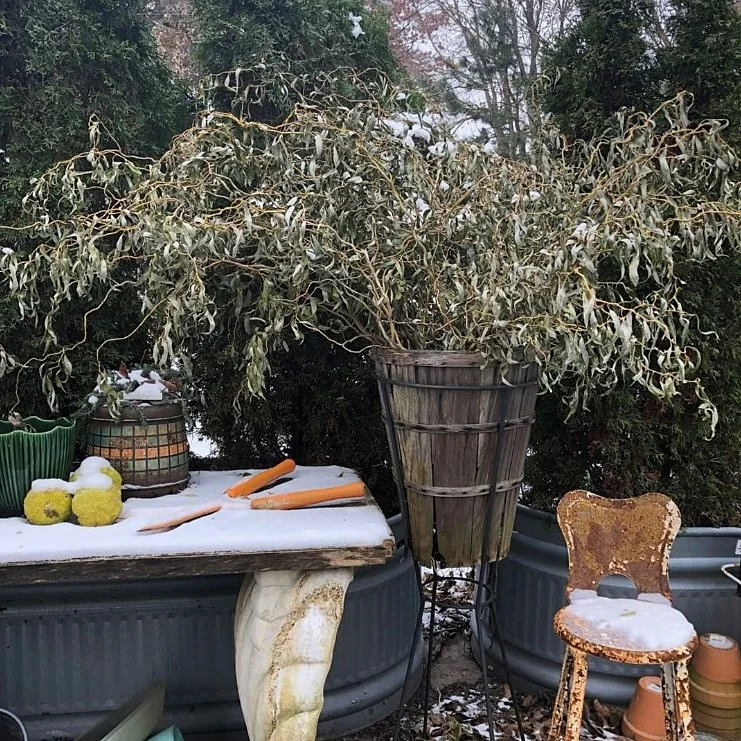
Amanda advises, “Start in a tiny space and work out. I recommend perennials (plant once and they return each year but they do not bloom all summer) and work on that little space until it has the feeling you’re looking for. I like to focus on how it makes me feel over how it looks. Look for thrifted or garage sale pieces to mix in, it doesn’t have to be all gargoyles. I like old pieces of carnival glass, silver frames without the backings, netting or lace tablecloths draped over branch-tripods, lots of candles, and outdoor rugs are magic. They can transform a space in a heartbeat. Don’t forget that any rug you use outdoors automatically becomes an outdoor rug! Atrophy, rust, and all things ephemeral are your allies in the goth garden.” Shannon says, “Make it your own! Bring decor and plants you love into the garden, not just what fits into the mold of what is supposed to look gothic. I’ve learned through trial and error that you cannot force plants that are not accustomed to your zone to thrive. Study what works best in your gardening zone, and lean into it. For example, if you live in a desert climate, there are many creepy cacti one can procure (Euphorbia ferox, Zwartkop Black Rose). I would also recommend only buying seeds from trusted sources. I like Strictly Medicinal Seeds, Fedco, and Park Seed. Many seeds sold on sites like eBay and eCrater are fake and what grows will undoubtedly be nothing like the photo. Also, join Facebook gardening groups in your area. People will surprise you with what they have in their gardens. You may be able to trade with them, get cuttings for far less than purchasing a full-size plant at a big box store. There is a huge community of like-minded gardeners on Instagram as well who are more than happy to share seeds and wisdom with those new to the hobby.” Johanna adds, “I’d say definitely look into going to architectural salvage places, you can get real neat pieces at these that are fun to incorporate into the garden. There’s lots of things that could be used. Look into local artisans that can possibly make items as well. My monolith was made by a local stonesmith.”
Can you describe what the perfect gothic garden would look like to you, no limitations?
Johanna says, “I think a perfect gothic garden with no limitations would include lots of architectural elements. I’d love to include some ornate painted mirrors,sculptures, quotes. In the long run I want to get a metal archway but only if it fits into a Victorian/gothic theme. Shannon tells us, “I would absolutely love to own many acres of land with several large, gothic greenhouses to grow exotic tropical plants, a large area for growing food/fruit trees, an area dedicated for animals (Ayam Cemani chickens!), and cobblestone stone paths winding through dark flower beds filled with every dark flower imaginable, ponds with fish and croaking frogs, trellises of dark climbing roses, bushes of fragrant yet poisonous daturas, a moon garden with giant white moonflowers, rows and rows of towering black sunflowers, waterfalls, an herb garden with any herb one could ever need. There would be high privacy walls and lots of bat houses. Giant black butterfly bushes filled with happy pollinators, and custom wrought iron gates adorned with bats and spiders. It would be unruly, slightly overgrown, creepy, and crepuscular. An area for entertaining and having tea parties in the garden would be crucial as well. If we are really talking no limitations here, a lagoon that winds through everything where I could take a boat ride any time I wished, like a botanical Willy Wonka.” Amanda paints a picture saying, “You wander through a pine forest, thick with needles on the ground, and wander into a circular border garden with a small entrance on one side to enter. Inside the circle are rich tapestries and velvet pillows to relax on and enjoy the garden. The garden is a rich mix of blood reds and deep purples with spiky arching leaves and massive hunks of amethyst jutting out of the ground. And then the Cocteau Twins get back together and serenade me until I explode.”
How do you see the goth and adjacent subcultures meshing with gardening? Aesthetics, fantasy, cottage core, witchcraft, herbcraft, values, activism, etc.?
Johanna tells us, “In my younger years, my goth/witchy side got me closer to gardening, absolutely. I’d want an herb for a spell and I’d be too cheap to buy it when I could buy 12 packs of seeds for that price.” Amanda says, “I like growing my own things and embedding my own intentions in them. Gardening is the ultimate punk rock action, you’re arming yourself with knowledge that is ultimately a kind of freedom.” Shannon ends with “I feel as though folks who are drawn to the goth aesthetic and adjacent subcultures often mesh with gardening because gardening is also a form of artistic expression. An extension of oneself. Many people in the goth culture are artists and/or art aficionados, so there is a natural affinity for horticulture in that sense. With witchcraft and herbcraft, there is a lot of intention and manifestation. Putting energy and intention into a garden feels very rewarding and can elicit a deeper connection to the Earth. Gardening is also an important part of working with the fae, herbcraft/wildcraft, and cottage core as well. I belong to a punk rock gardening group because the values are very similar there as they are in gothic gardening. Some common threads I see come up a lot in both goth gardening and punk rock gardening are: respect for nature, artistic expression, mental health benefits, and acts of rebellion. There’s a popular meme I see a lot that I think encompasses the values many feel in goth gardening. It says, ‘In a world where nothing comes free and it’s profitable to control what people copy and create, gardening is a revolutionary act.’”
Follow Shannon on Instagram @thecitrineghost where people can follow along with her personal life and garden, as well as shop-related news and upcoming events. Follow Put A Plant On It on Instagram @putaplant.onit. Follow Amanda on Instagram @kissmyaster and for her shop @shop.aster.gardens.

by Jennifer Link Kieffer
Jennifer Link Kieffer is the Editor in Chief and Publisher of Auxiliary Magazine, a fashion and wedding photographer at Jennifer Link Photography, and mama to two littles. FOLLOW
This article was originally published in the Summer 2022 Issue of Auxiliary Magazine
For further reading… get the latest issue of Auxiliary and read more online articles about goth subculture.